
Answer first: Without insurance, a primary care doctor visit typically costs $100–$300 in New York — the national average is about $160–$171, and New York prices, especially downstate, run higher. Urgent care runs roughly $100–$350 self-pay, and an emergency room visit averages about $2,715. Basic blood work adds $29–$99 per test at standard rates. A flat-fee direct primary care membership is often the most predictable way to get care without insurance — and since January 1, 2026, HSA funds can be used toward DPC membership fees (with limits).
Key takeaways
- A self-pay primary care visit averages about $160–$171 nationally; New York — especially downstate — typically runs above average.
- The visit fee is only the start: labs ($29–$99 per test), imaging, procedures, and facility fees are billed separately.
- An ER visit without insurance averages about $2,715 — more than ten times a primary care visit. Urgent care ($100–$350) handles most non-emergencies.
- Since January 2022, self-pay patients have a federal right to a Good Faith Estimate of costs before scheduled care.
- Direct primary care flips the model: a flat monthly membership covers most primary and urgent care, with labs at direct-pay prices — and HSA dollars can now help pay for it.
If you’re uninsured — or insured with a deductible so high you might as well be — the scariest part of seeing a provider isn’t the visit. It’s not knowing what the bill will be. This guide lays out real 2026 self-pay numbers, what quietly inflates them, the rights you have as a cash-pay patient in New York, and a flat-fee alternative that makes the whole question boring.
What a Visit Actually Costs Without Insurance (2026 Numbers)
A doctor visit without insurance costs anywhere from about $40 at a community clinic to $600+ at a hospital-based office — with most primary care visits landing between $100 and $300. Where you go matters more than almost anything else:
| Care setting | Typical self-pay cost (2026) |
|---|---|
| Telehealth visit | $40–$90 |
| Retail / walk-in clinic | $60–$150 |
| Primary care office visit | $100–$300 (national average ≈ $160–$171; new patients pay more) |
| Urgent care | $100–$350 |
| Specialist consult | $150–$500+ |
| Emergency room | ≈ $2,715 average — often $1,500–$3,000 before procedures |
| Direct primary care membership | Flat monthly fee covering most primary & urgent care |
Two New York notes: prices in major metros run 30–50% above smaller-town rates, and hospital-affiliated offices generally charge more than independent practices for the same visit. Around Ithaca and Trumansburg, that gap between hospital-system pricing and independent or direct-pay care is where most of the savings live.
Why the Bill Is Always Bigger Than the Visit Fee
The visit fee is the price to walk in the door — labs, imaging, procedures, and facility fees are billed separately, and they’re what turn a $160 visit into a $400 bill. Basic blood work runs $29–$99 per test at standard rates, most visits involve at least one lab, and hospital-owned offices can add a facility fee on top of the professional fee. This is the same machinery that makes care expensive even with insurance before the deductible — we broke that down in why healthcare costs so much before insurance covers anything.
The fix isn’t mysterious: ask what’s included, ask what’s billed separately, and use direct-pay labs when you can — the same panel is often a fraction of hospital-system pricing.
Your Rights as a Self-Pay Patient
If you’re paying cash, federal law is on your side more than most people realize:
- Good Faith Estimate. Since January 2022, providers must give uninsured and self-pay patients a written cost estimate for scheduled care — automatically if you book at least 3 business days ahead, and any time you ask.
- Self-pay discounts. Many practices take 20–40% off list price for payment at time of service — but usually only if you ask.
- Emergency care. Hospitals must treat genuine emergencies regardless of insurance status or ability to pay. Never let cost stop you from calling 911 for a true emergency.
Is It Cheaper to Self-Pay for Healthcare?

Often, yes — for routine care, cash prices can beat what you’d pay through a high-deductible plan before the deductible is met. Insurers negotiate rates, but until you hit a deductible that’s now commonly several thousand dollars, you’re paying those rates yourself — plus the premiums. Many New Yorkers pay for coverage all year and still pay cash prices for every actual visit. That math — not ideology — is why more New Yorkers are switching to direct primary care as insurance premiums climb.
The Flat-Fee Alternative: Direct Primary Care in the Ithaca Area
Direct primary care (DPC) replaces per-visit billing with one flat monthly membership that covers most primary and urgent care — no copays, no per-visit charges, no surprise line items. Instead of pricing every sick visit, follow-up, and question separately, the DPC model makes your primary care a fixed, known number.
At HomeSteady Health in Trumansburg — about 20 minutes from downtown Ithaca — membership includes unhurried visits (30–60 minutes, not 15), direct call/text access to your provider, telehealth follow-up across New York State, and discounted labs. It works with or without insurance: uninsured members use it as their front door to care, and insured members pair it with a high-deductible plan they keep for emergencies. Current pricing is on the membership page.
Two more cost levers worth knowing: since January 1, 2026, federal law allows HSA dollars to go toward DPC membership fees (with limits) — details in our coverage of the change — and if you’re budgeting for specific care like hormone therapy, we publish real numbers there too: see what TRT costs in Ithaca.
See membership pricing and join →
About the Author
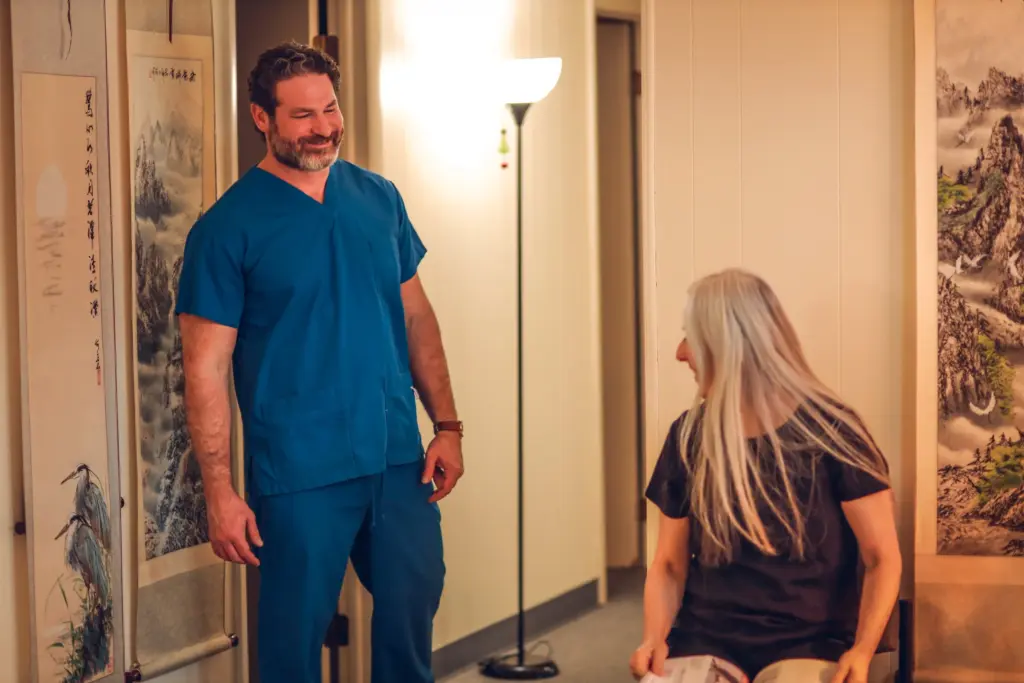
Matthew Simone, FNP-BC, is the founder of HomeSteady Health and a board-certified Family Nurse Practitioner with more than 25 years across family medicine, emergency, and urgent care. He was named Nurse Practitioner of the Year in 2025 and serves as President of Region 2 of the Nurse Practitioner Association of New York. Based in Trumansburg, he lives the active Finger Lakes lifestyle — running, lifting, and training — and built HomeSteady Health to practice medicine the way it should be: unhurried, continuous, and centered on the patient in front of him.
This article is educational and reflects typical published self-pay prices as of mid-2026; individual providers set their own rates. For a predictable alternative to per-visit billing, see HomeSteady Health membership.